
Professor Jason Arday: Why the Spotlight is a Death Sentence
- L J Louis

- 22 hours ago
- 3 min read
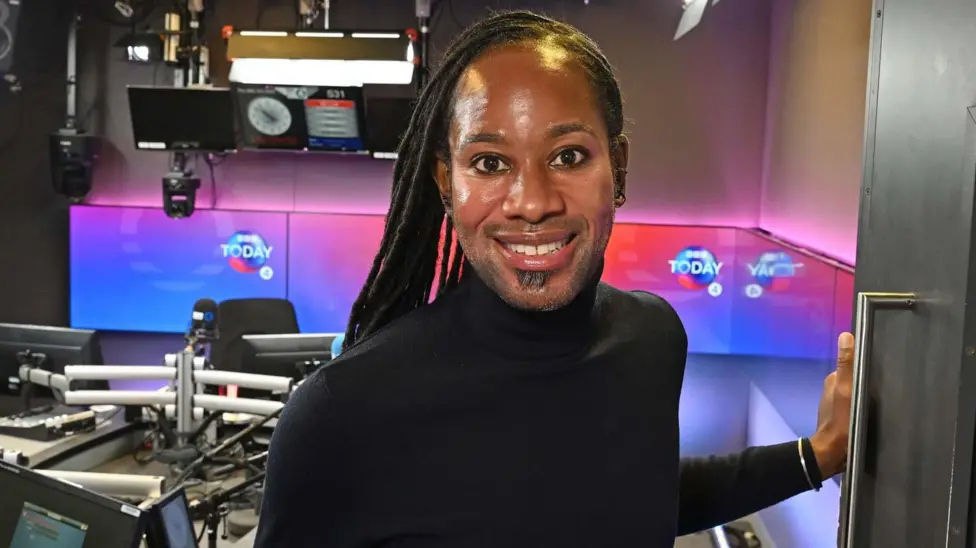
When I read the news about Professor Jason Arday, something inside me didn't just feel sad—it completely shattered me. A brilliant, groundbreaking academic, targeted, relentlessly dissected, and hounded until the weight of the world crushed him. People are calling it a tragedy, a system failure, a media storm. For me, looking at it from the outside, it felt like my worst, most paralyzing nightmare materialized.
It made me realize something I’ve tried to suppress for years: I am Terrified of the media. I am terrified of fame, of extreme wealth, and of being seen.
To the outside world, wanting visibility, influence, or success is treated as the ultimate ambition. We are told to build a brand, to put ourselves out there, to monetize our thoughts and broadcast our lives. But nobody talks about the lethal underbelly of that exposure. Nobody talks about how the media and internet mobs operate like a digital panopticon—a machine that can take a human being, strip away their complexity, flatten them into a caricature, and chew them up for public entertainment.
Seeing what happened to Professor Arday triggered a visceral, physical panic in me. It validates a fear I have carried for as long as I can remember: that having your life open to the public isn't a privilege; it is a vulnerability.
We pretend the media is just a mirror reflecting society, but it’s actually a weaponized lens. It has the power to amplify, distort, and destroy with terrifying efficiency.
When a person is thrust into the public eye—especially if they occupy a space where people already want to tear them down—they stop being a person. They become content. They become a target for collective projection, righteous fury, and endless speculation. Every past mistake is exhumed, every flaw is magnified, and every nuance is erased.
The modern media ecosystem doesn't just report news; it orchestrates public shaming campaigns that operate on an hourly basis. And unlike physical violence, which leaves bruises you can see, this kind of violence targets the mind. It surrounds you with a wall of invisible eyes, whispering that you are a fraud, that you are hated, that there is no safe place left to hide. For a sensitive soul, for someone already carrying internal struggles, that relentless public crosshairs isn't just uncomfortable—it is lethal.
This is why I live with a profound, bone-deep fear of being an "influencer" or a public figure.
People look at my caution and call it modesty, lack of ambition, or self-sabotage. They ask why I don't share more, why I don't put my face on things, why I shrink away from opportunities that promise wealth or acclaim. They don't understand that my desire for privacy isn't about shyness; it is about self-preservation.
I look at internet culture, the cycle of cancellation, the hungry algorithms that reward cruelty, and I feel a cold dread. I know how fragile my peace of mind is. I know how deeply words can cut. The thought of thousands—let alone millions—of strangers having access to my name, my history, and my life feels less like success and more like walking into a stadium blindfolded with a target painted on my back.
Fame looks like a crown, but to me, it looks like a cage. Wealth earned through public exposure feels like blood money if the cost is your psychological safety.
Professor Arday’s heartbreaking death should force a radical, uncomfortable reckoning across society about how we consume people and discard them. But on a personal level, it has also given me permission to honor my fear.
It reminds me that wanting to stay small, safe, and unseen isn't a failure of ambition—it's a valid boundary. In a world that glorifies hyper-exposure and treats human lives as disposable entertainment, choosing anonymity is an act of resistance. I don't ever want to be famous if the price of admission is my soul.
Professor Jason Arday: Why the Spotlight is a Death Sentence.
By LJ Louis


Comments